
Before 1800
Headland fires and daymarks
Communities used elevated fires, painted boards, and recognizable landforms to warn and guide coastal traffic.
History
Six milestones trace the shift from shoreline warning systems and resident keeper labor to optical innovation, automation, and long-term preservation practice.
Before 1800
Communities used elevated fires, painted boards, and recognizable landforms to warn and guide coastal traffic.
1820s–1840s
Growing trade encouraged durable towers, standardized lantern rooms, and salaried keeper appointments.
1860s–1880s
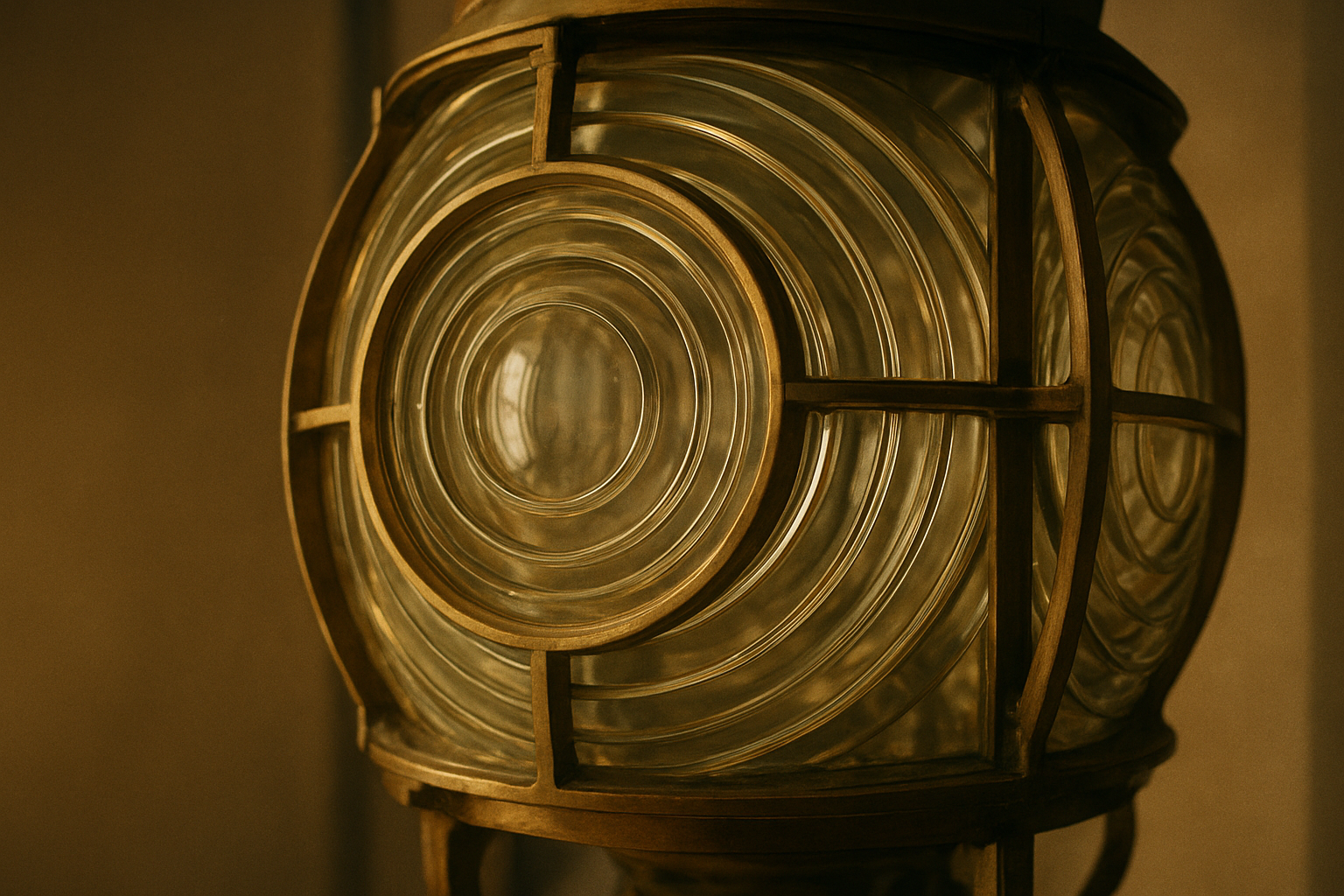
Fresnel optics concentrated light into stronger signatures visible farther offshore and identifiable by flash pattern.
1890s–1910s
Bells, whistles, and engine-driven horns extended warning systems through the coast’s thick seasonal fog.
1930s–1960s
New power systems reduced daily lamp work and gradually changed the keeper’s residential role.
1970s–Today
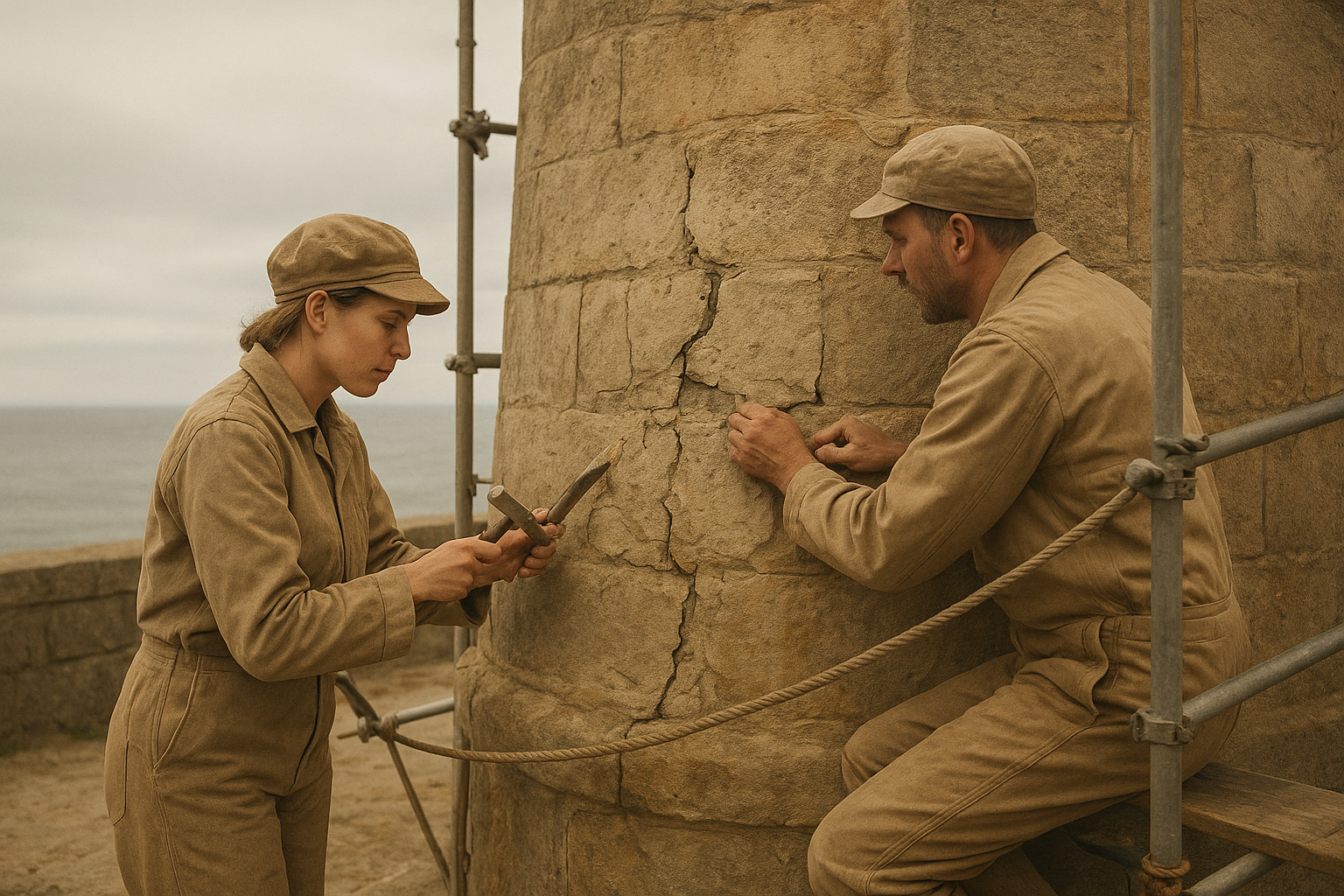
Local groups, public agencies, and maritime collections stabilize towers and protect records for future study.