
Archive Menu
Explore the Archive

Keeper Narratives

Lives behind the lantern glass

These entries focus on routine labor: wick trimming, weather logs, signal checks, and night watches that kept northern coast routes legible in poor visibility.

Source caveat: visuals below are clearly marked interpretive illustrations generated to support reading. They are not claimed as authentic archival photographs.

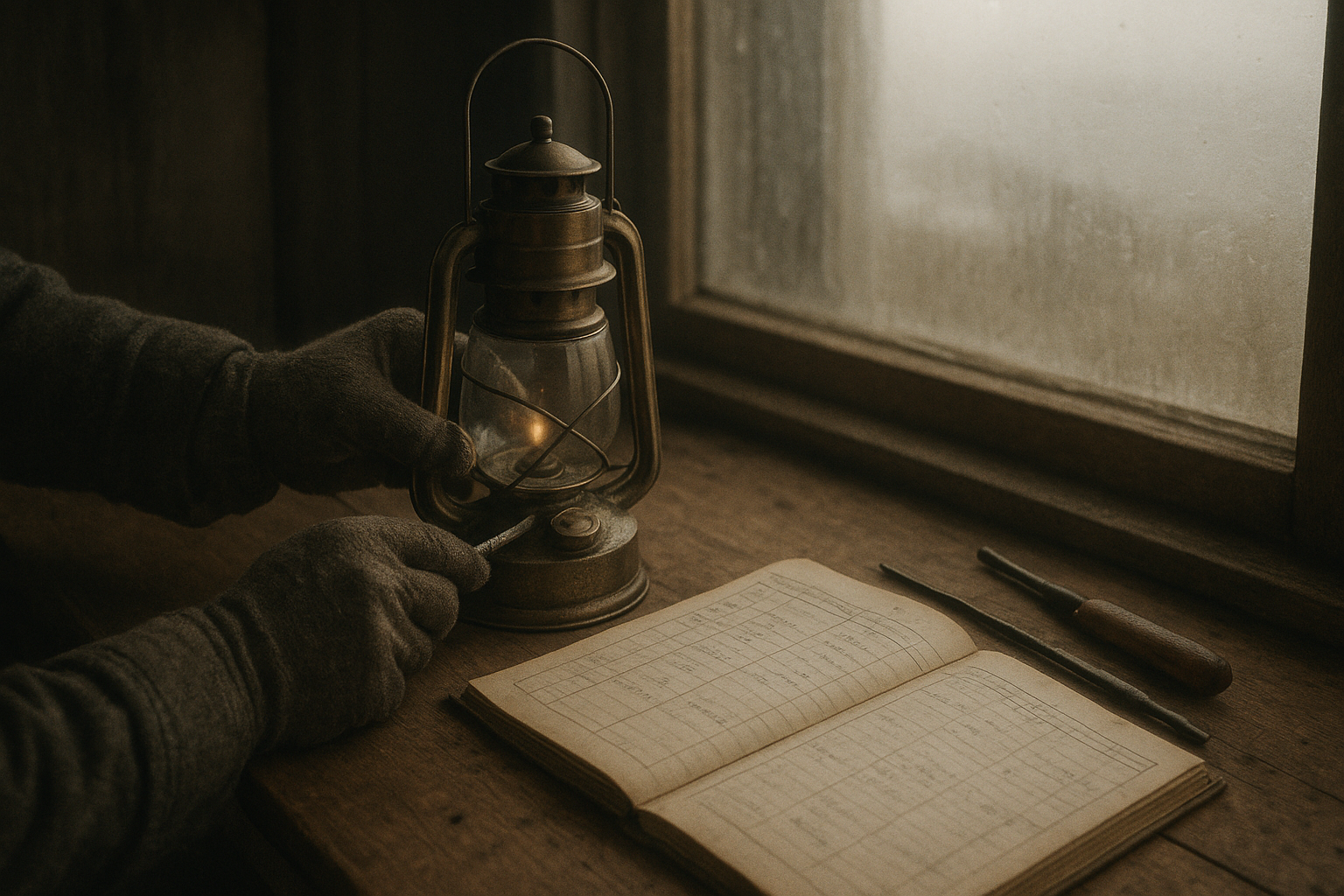
Interpretive illustration of lighthouse keeper work at North Head Light during 1878–1896, showing lamps, tools, logs, and coastal weather atmosphere
Interpretive illustration · generated for context
1878–1896 North Head Light

The lamp glass carried salt even on clear nights; the sea found every seam.

Ward’s surviving log fragments describe winter watches, supply delays, and the exacting routine of cleaning the first-order lens before dusk.
Source

Keeper log transcript, regional maritime collection

Related source notes
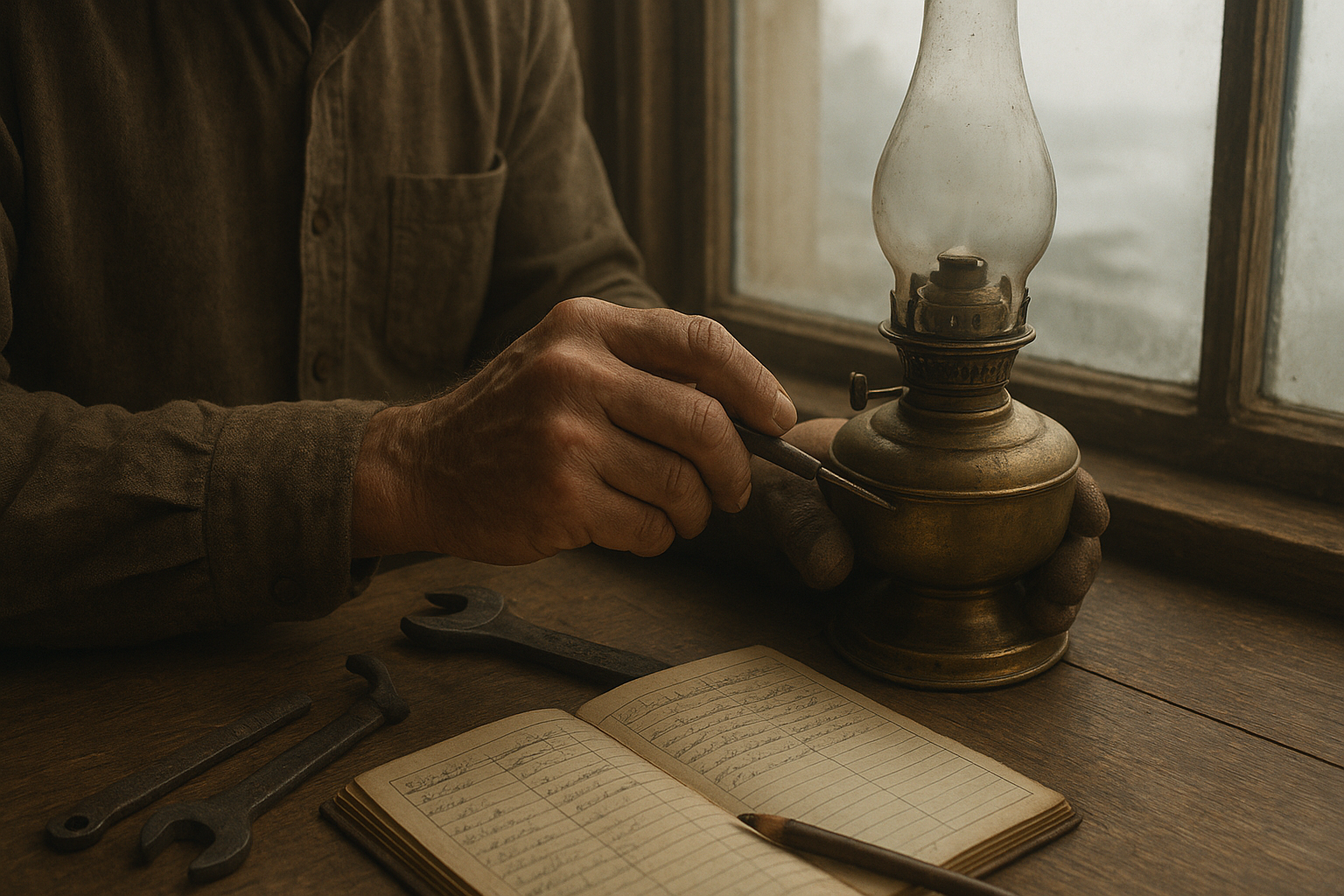
Interpretive illustration of lighthouse keeper work at Greyhaven Tower during 1904–1921, showing lamps, tools, logs, and coastal weather atmosphere
Interpretive illustration · generated for context
1904–1921 Greyhaven Tower

Fog made the horn our voice when the lantern could not be seen.

Bell recorded fog-signal duty, storm damage, and the shared labor of a family station where every hand learned the rhythm of the light.

Source

Family papers and station register

Related source notes
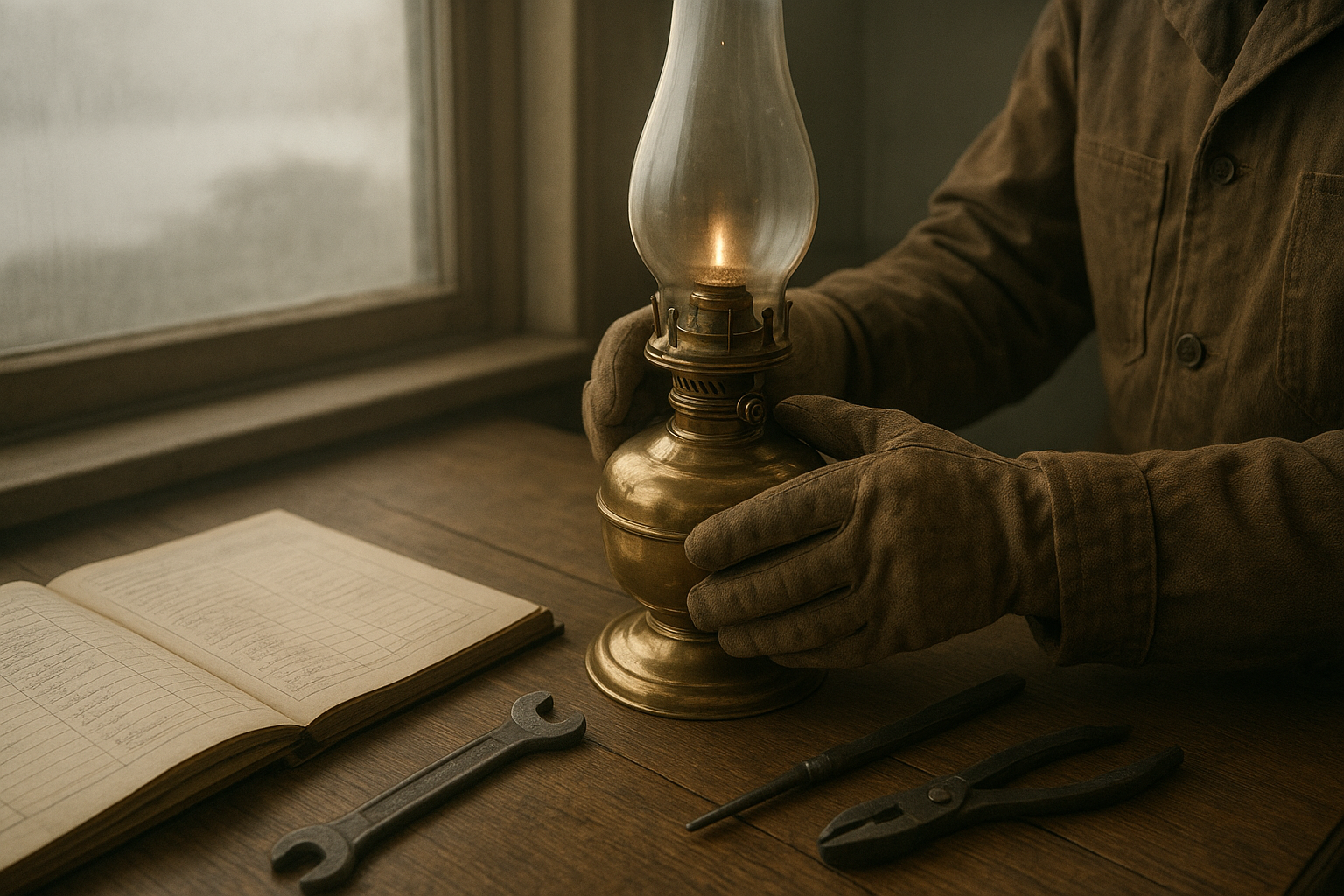
Interpretive illustration of lighthouse keeper work at Cape Alder Light during 1933–1952, showing lamps, tools, logs, and coastal weather atmosphere
Interpretive illustration · generated for context
1933–1952 Cape Alder Light

Automation shortened the watch, but it did not quiet the weather.

Ainsley’s accounts bridge the shift from oil vapor to electric illumination and document the final years of a resident keeper at Cape Alder.

Source

Oral-history summary and maintenance ledger

Related source notes